Source iridescent red gridstone prayer beads for Gifts
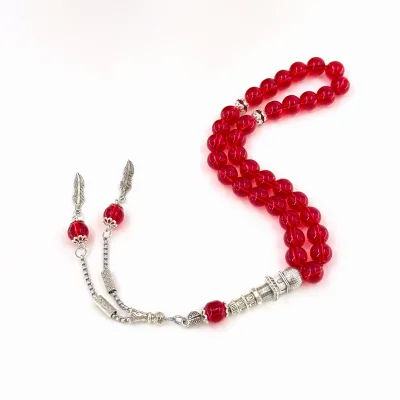
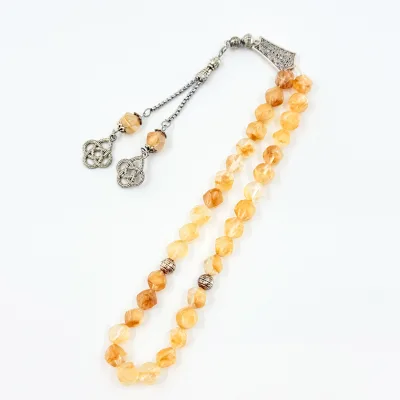
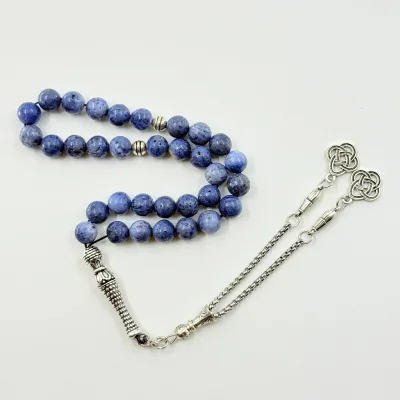
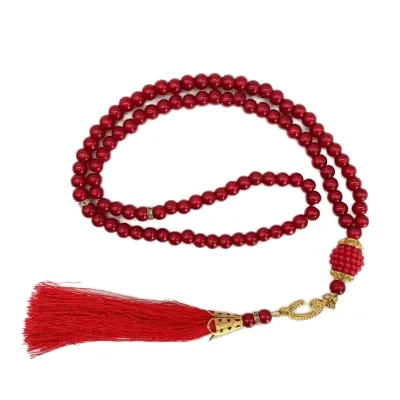
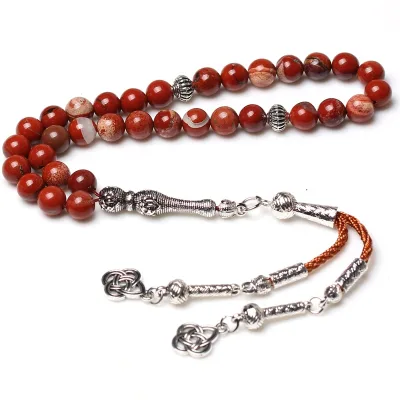
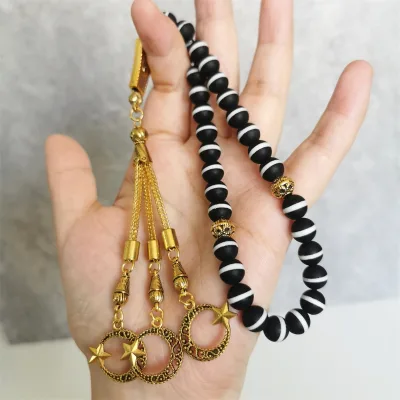
Compare 30 listings of iridescent red gridstone prayer beads from verified suppliers. Buyers can evaluate prices, materials, and customization options for religious, gift, and home decoration uses. This selection includes various colors and styles suitable for different occasions; compare the available evidence and request quotations based on your requirements.
Key considerations
Products List
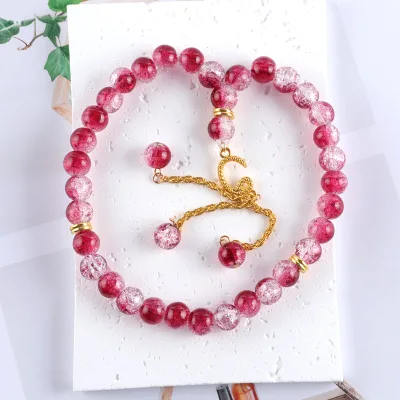


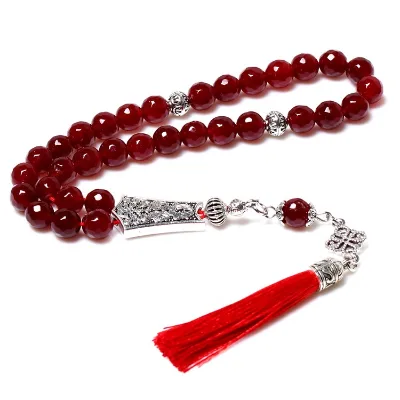
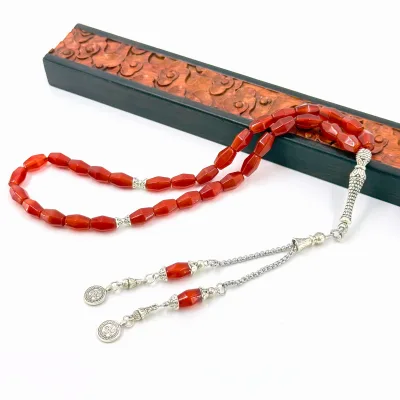
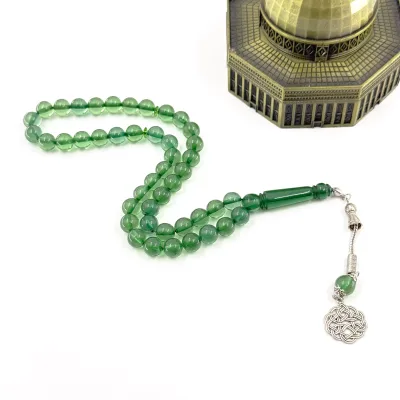
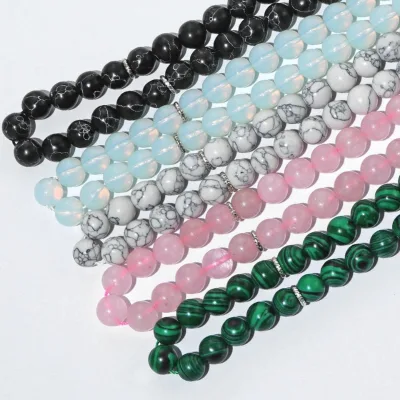
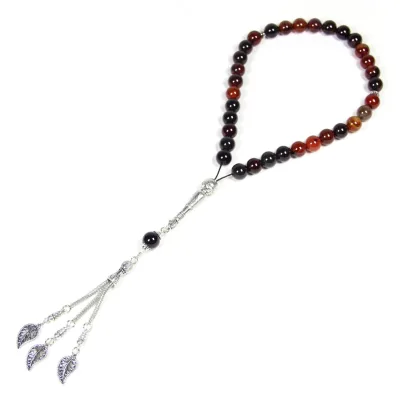
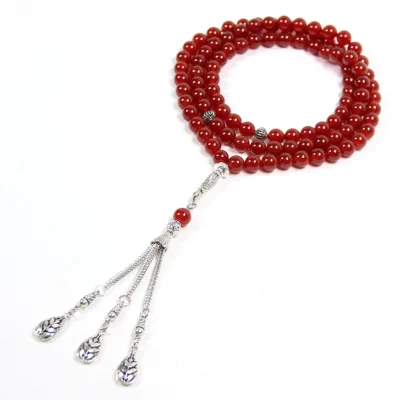
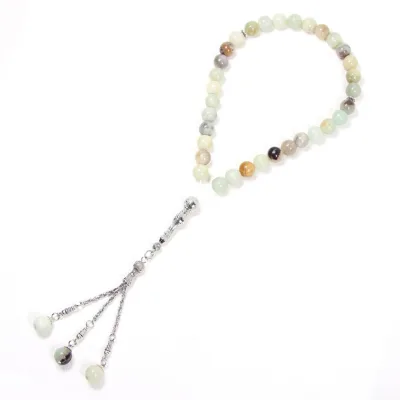
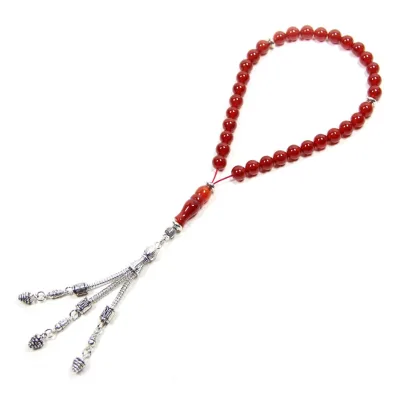
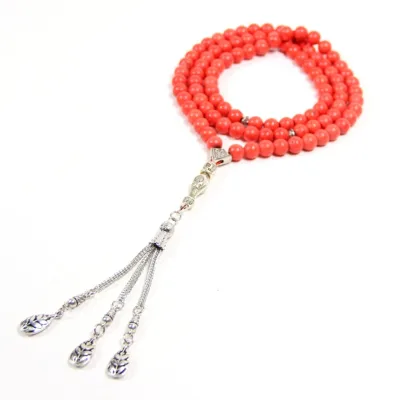
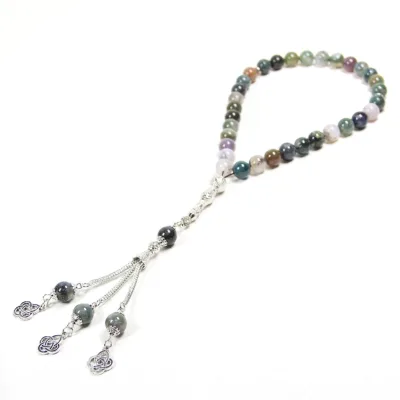
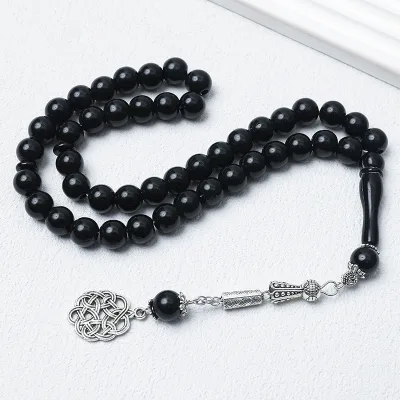
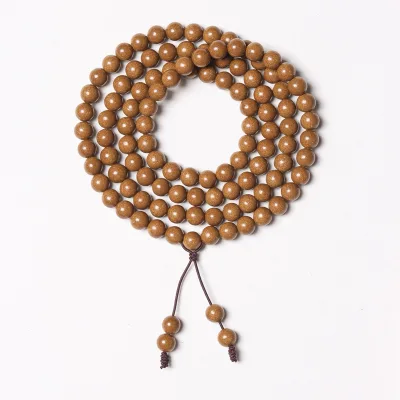
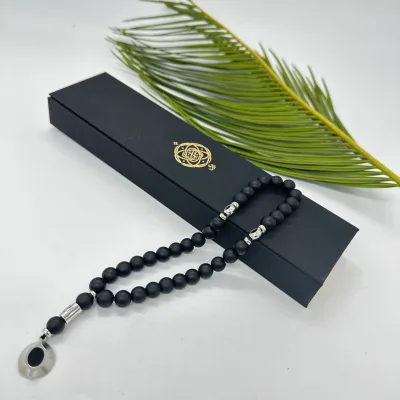
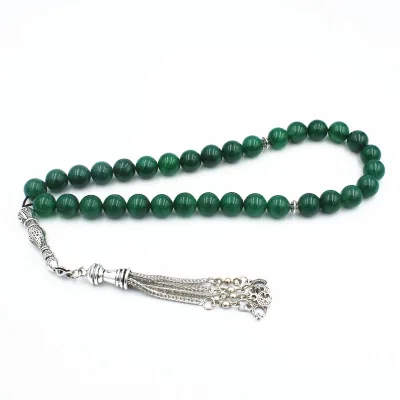
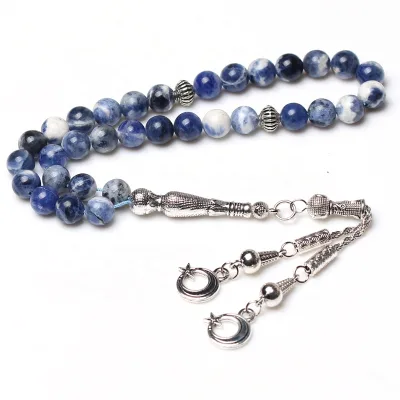
Comprehensive Sourcing Guide
Iridescent Red Gridstone Prayer Beads Sourcing Guide
Sourcing iridescent red gridstone prayer beads requires a nuanced understanding of material authenticity and aesthetic consistency, as these terms often describe specific visual effects rather than a single geological mineral. Buyers must distinguish between natural stone variants and engineered materials that mimic the desired iridescent finish, ensuring that the product specifications align with the intended religious or decorative application. The visual appeal of red gridstone is heavily dependent on the lighting conditions and the quality of the surface treatment, which can vary significantly between manufacturing batches.
Procurement teams should prioritize suppliers who provide high-resolution macro photography and video samples to verify the depth of the iridescence and the precision of the grid pattern. It is critical to establish clear acceptance criteria for color variance and surface defects before placing bulk orders, as natural stone characteristics can lead to inconsistencies that may not meet strict retail standards. Understanding the source material’s origin and processing method is essential for predicting long-term durability and maintaining brand integrity in the final product offering.
Product Scope and Observed Listing Signals
The current market landscape for prayer beads and religious accessories reveals a diverse range of materials, including glass, lampwork, resin, and alloy components, which often compete with or substitute for natural stone options. Observed listings indicate that many products marketed with similar aesthetic profiles utilize glass or resin cores with metallic plating to achieve the desired visual effect, rather than relying solely on natural stone. Buyers should carefully examine the "Jewelry Main Material" and "Material Type" fields to determine if the product is genuine stone or an engineered alternative, as this distinction significantly impacts pricing and perceived value.
Listing signals also highlight variations in bead shapes, such as round, ball, and oval forms, alongside different chain types like beads or rosary styles. The observed price range of 0.27 to 50.99 USD suggests a wide spectrum of quality tiers, from basic promotional items to premium handcrafted pieces. It is advisable to cross-reference the listed model numbers, such as Z0080 or HS-1033, with supplier catalogs to identify the exact composition and manufacturing process, ensuring that the selected product meets the specific functional and aesthetic requirements of the target market.
Technical Specifications to Verify
Verifying technical specifications is paramount when sourcing prayer beads, particularly regarding bead size, hole diameter, and overall length, which directly affect usability and comfort. For instance, standard bead sizes like 10mm are common, but the hole size, often around 1mm, must be compatible with the chosen cord or chain material to prevent breakage during use. Buyers should request detailed dimensional data for each component, including the single package size and gross weight, to ensure accurate logistics planning and inventory management, as these metrics influence shipping costs and storage requirements.
Additionally, the processing techniques, such as skiving or channel setting, play a crucial role in the structural integrity and aesthetic finish of the beads. It is essential to confirm whether the iridescent effect is achieved through surface plating, internal inclusions, or external coating, as each method has different wear characteristics. Suppliers should provide clear information on the plating type, such as antique silver, and the durability of the finish under regular handling, ensuring that the product maintains its appearance over time without significant degradation or color fading.
Compliance and Safety Documentation
Compliance and safety documentation are critical for religious accessories, especially those intended for personal use or gifting, to ensure they meet international safety standards. Buyers must verify that all materials, including any metallic components or coatings, are free from harmful substances such as lead, cadmium, or nickel, which can cause allergic reactions or health issues. Requesting material safety data sheets (MSDS) or third-party test reports from accredited laboratories is essential to confirm that the products comply with regulations in the target market, such as REACH in Europe or CPSIA in the United States.
Furthermore, packaging and labeling must adhere to local consumer protection laws, including accurate country of origin labeling and clear care instructions. The observed listings indicate that products often originate from regions like Zhejiang, China, where manufacturers may have varying levels of regulatory compliance. Buyers should establish a clear protocol for verifying supplier certifications and ensuring that all documentation is up-to-date and readily available for customs clearance and retail audits, minimizing the risk of shipment delays or product recalls due to non-compliance.
Cost Drivers and Commercial Terms
Cost drivers for iridescent red gridstone prayer beads include the raw material quality, the complexity of the manufacturing process, and the volume of the order. Natural stone materials and intricate finishing techniques, such as precise grid patterning or multi-layer plating, typically command higher prices compared to synthetic alternatives. The observed minimum order quantities (MOQ) ranging from 2 to 600 units suggest flexibility for small businesses, but larger orders may offer better unit economics due to economies of scale in production and shipping.
Commercial terms should be negotiated with a clear understanding of payment structures, shipping responsibilities, and return policies. Buyers should clarify whether the quoted prices include packaging, labeling, and any necessary compliance documentation, as these can add significant hidden costs. It is also important to discuss lead times and production schedules, especially for customized orders, to ensure that inventory levels are maintained and that seasonal demand peaks are met without incurring expedited shipping fees or stockouts.
Supplier Qualification and Quality Control
Supplier qualification involves a thorough assessment of manufacturing capabilities, quality control processes, and ethical sourcing practices. Buyers should request samples to evaluate the consistency of the iridescent finish, the accuracy of the bead dimensions, and the overall craftsmanship. It is advisable to conduct factory audits or request detailed quality assurance protocols to ensure that the supplier has robust inspection procedures in place, such as random sampling and defect rate monitoring, to maintain high product standards.
Quality control should also extend to packaging and shipping processes, as damage during transit can compromise the product’s aesthetic appeal and functionality. Buyers should verify that suppliers use appropriate protective packaging, such as individual bags or cushioned boxes, to prevent scratches and breakage. Establishing a clear communication channel for addressing quality issues and defining acceptable defect rates is essential for maintaining a reliable supply chain and ensuring customer satisfaction in the final market.
Long-Term Procurement Checks
Long-term procurement checks involve continuous monitoring of supplier performance, market trends, and product lifecycle management. Buyers should regularly review supplier metrics, such as on-time delivery rates, defect rates, and responsiveness to issues, to identify potential risks and opportunities for improvement. It is also important to stay informed about changes in material availability and pricing, as fluctuations in the cost of raw materials can impact the overall procurement strategy and profitability.
Additionally, buyers should assess the evolving consumer preferences for religious accessories, including shifts in design trends and material preferences, to ensure that the product offering remains relevant and competitive. Establishing a feedback loop with end-users and retail partners can provide valuable insights into product performance and customer satisfaction, enabling proactive adjustments to sourcing strategies. Regularly updating supplier contracts and compliance documentation ensures that the procurement process remains aligned with regulatory requirements and business objectives, fostering a sustainable and resilient supply chain.
FAQs
What materials are used for these prayer beads?
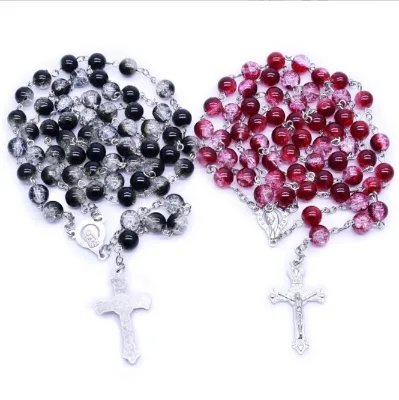
The prayer beads are crafted from glass, resin, and alloy materials. They feature main stones made of glass and lampwork. The design includes a cross rosary style suitable for various religious occasions and personal decoration needs.
Which shapes are available for the beads?
Available bead shapes include round, ball, and oval forms. The product listing specifies a cross pattern alongside these shapes. Customers can select from these geometric options to match their specific aesthetic or religious requirements for the jewelry item.
Can I customize the color of the beads?
Yes, customization is available for the prayer beads. The standard color options include red, green, orange, mix, and purple. Buyers can request specific color variations to suit their preferences or branding needs for the final product.
What is the minimum order quantity for these items?
The minimum order quantity ranges from 2 to 600 units depending on the specific product configuration. This flexible MOQ allows buyers to start with small batches or place larger orders for bulk distribution and wholesale purposes effectively.
Where are these prayer beads manufactured?
These items originate from Zhejiang, China, and other regions within China. The manufacturing process involves skiving and channel setting techniques. Products are packaged in bags or bulk for efficient shipping and handling to international destinations.
What is the length of the necklace?
The necklace length is specified as 25 cm for the beaded style. The single package size measures 15 by 3 by 2 cm. This dimension ensures the jewelry fits standard wear requirements while remaining compact for storage and transport.
Are these beads suitable for outdoor use?
Yes, the prayer beads are suitable for outdoor occasions. They are designed for use as holiday gifts, business gifts, and home decoration. The durable materials ensure they remain functional and attractive in various environments and settings.
What is the weight of a single package?
The single gross weight varies between 38.1 grams and 60 grams depending on the specific model. This lightweight design makes the items easy to handle and ship. The weight is consistent with the small package dimensions provided for each unit.